2026年5月29日至6月3日,由王清州担任策展人的《南美bello sur》卢克雷西亚·利昂蒂(木木)与玛丽亚娜·西西娅(墨兰)双个展,将在北京798艺术区王清州艺术空间正式启幕。本次展览汇聚两位阿根廷当代艺术界极具代表性的艺术家的最新力作,以纺织与石墨为核心媒介,呈现一场跨越地域与文化的美学对话,为中国观众带来南半球独特的艺术气息与思想深度。
From May 29 to June 3, 2026, the dual solo exhibition Bello Sur featuring Lucrecia Lionti (Mumu) and Mariana Sissia (Molan), curated by Wang Qingzhou, will officially open at Wang Qingzhou Art Space in Beijing’s 798 Art District. Showcasing the latest works by two prominent artists in contemporary Argentine art, the exhibition centers on textiles and graphite as its core media, presenting an aesthetic dialogue across regions and cultures, and bringing the distinctive artistic atmosphere and intellectual depth of the Southern Hemisphere to Chinese audiences.
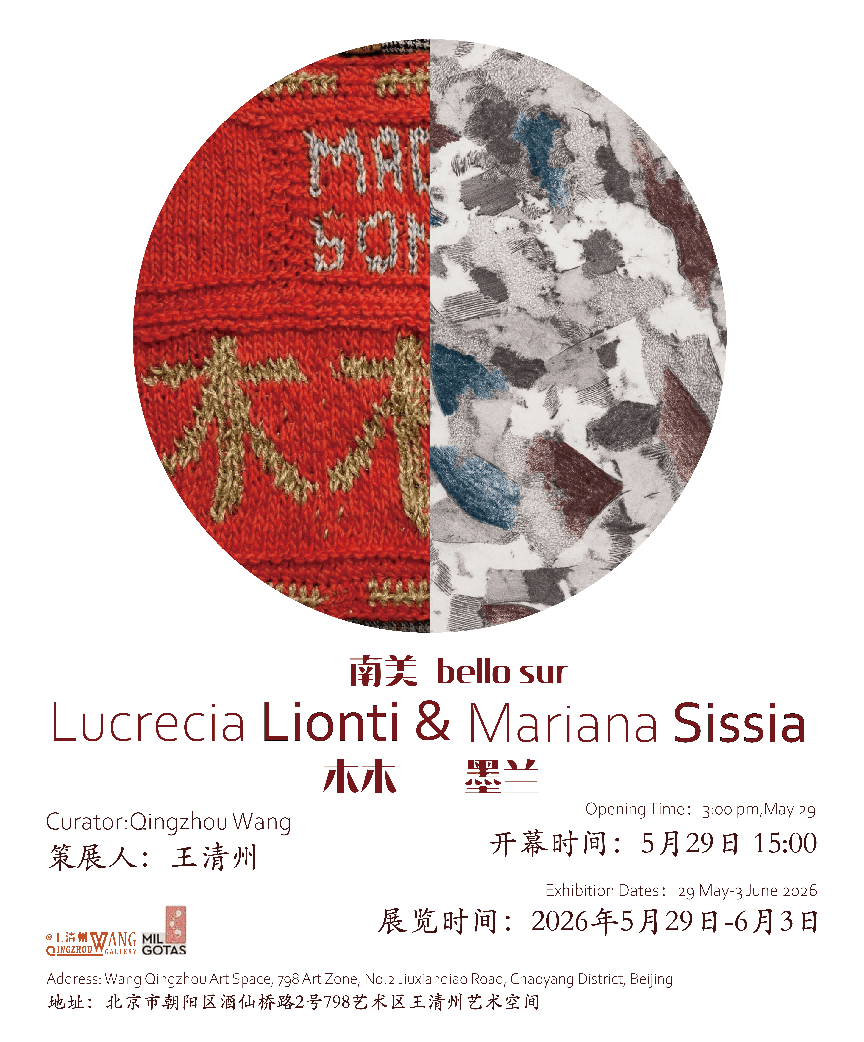
《南美bello sur》双个展海报
Exhibition Poster Information
策展人前言
当南半球的风穿过安第斯山脉,带着潘帕斯草原的气息抵达北京798,我们迎来了Lucrecia Lionti(木木)与Mariana Sissia(墨兰)两位阿根廷艺术家的双个展《南美bello sur》。作为策展人,我始终相信艺术是跨越语言与疆域的通用语言,而这两位来自遥远南美大陆的创作者,正以各自独特的方式,为我们展现当代阿根廷艺术最动人的面貌。
墨兰的创作,是一场与石墨的深度对话。她将这种幽暗的地底物质视为连接物质与灵性的媒介,在擦印与书写之间,构建出充满心灵能量的抽象景观。她的《心灵风景》系列,看似是西方姿态抽象的延续,实则深植于东方艺术的精神内核。那些在宣纸上展开的石墨痕迹,既有书法般的张力与韵律,又有中国水墨晕染的意外之美——只不过墨的流动性被擦印画的随机性所取代,每一道印记都是物质与身体、控制与自由博弈的结果。鲁道夫·施泰纳说“一切物质背后都存在着灵性”,墨兰的作品正是对此最好的诠释。她让石墨自己说话,让那些来自大地深处的力量,在纸上凝结成唤起地质、情感与精神维度的风景。当你凑近卷轴,目光追随那些同时展开、收缩或消逝的形式,你会发现自己进入的不是一个视觉空间,而是一个冥想的场域。
如果说墨兰的艺术是向内的探索,那么木木的创作则是向外的延伸。她以纺织为语言,将传统刺绣、编织工艺与工业材料并置,在经纬之间编织出关于记忆、身份与全球化的叙事。羊毛、黄麻、金属铃铛、商品标签……这些看似普通的材料,在她手中变成了承载文化记忆的载体。《1/4 de campo Argentino en China》与《Made in Songzhuang》等新作,更是将阿根廷的乡土记忆与中国的当下经验巧妙融合。她让我们看到,纺织不仅是一种工艺,更是一种思考方式——它连接着手工劳动与工业生产,本土传统与全球流动,个人记忆与集体历史。在她的作品中,每一针每一线都充满了诗意的力量,同时又带着尖锐的社会批判性。
两位艺术家虽风格迥异,却有着共同的精神底色。她们都扎根于阿根廷的土地,同时又置身于全球当代艺术的语境之中;她们都对材料有着近乎虔诚的尊重,相信物质本身具有表达的能力;她们都在传统与当代的交汇处,寻找着属于自己的艺术语言。从墨兰的石墨山水到木木的纺织诗篇,我们看到的是当代南美艺术最鲜活的生命力——它既不盲从西方的艺术标准,也不固守本土的文化符号,而是以开放的姿态,在不同文明的对话中,构建出属于自己的美学体系。
《南美bello sur》在王清州艺术空间开幕,我希望这个展览不仅是一次艺术的展示,更是一次文化的交流。让我们在这些来自南半球的作品面前,放慢脚步,用心感受物质的温度与灵性的光芒,在艺术的世界里,遇见另一种可能的美。
王清州
2026年5月于北京798
Curator’s Statement
As the wind of the Southern Hemisphere crosses the Andes, carrying the breath of the Pampas to 798 Art District in Beijing, we welcome the dual solo exhibition Bello Sur by two Argentine artists — Lucrecia Lionti (Mumu) and Mariana Sissia (Molan). As curator, I have always believed that art is a universal language beyond words and borders. These two creators from the distant South American continent present, in their own unique ways, the most touching face of contemporary Argentine art.
Molan’s artistic practice is a profound dialogue with graphite. She regards this dark earthly material as a medium connecting matter and spirituality, constructing abstract landscapes full of inner energy through frottage and mark-making. Her Mental Landscape series, seemingly a continuation of Western gestural abstraction, is deeply rooted in the spiritual core of Eastern art. The graphite traces unfolding on rice paper carry the tension and rhythm of calligraphy, as well as the accidental beauty of Chinese ink wash diffusion — except that the fluidity of ink is replaced by the randomness of frottage. Every mark is the result of a dialogue between matter and body, control and freedom. As Rudolf Steiner wrote, “Behind all matter lies spirituality.” Molan’s work is the perfect embodiment of this idea. She lets graphite speak for itself, allowing the power from deep within the earth to condense on paper into landscapes that evoke geological, emotional and spiritual dimensions. When you lean close to the scrolls and follow the forms that expand, contract or fade away together, you will find yourself entering not merely a visual space, but a realm of meditation.
If Molan’s art is an inward exploration, Mumu’s creation is an outward extension. She takes textiles as her language, juxtaposing traditional embroidery and weaving with industrial materials, weaving narratives of memory, identity and globalization between warp and weft. Wool, jute, metal bells, commodity tags… these ordinary materials become vessels of cultural memory in her hands. Recent works such as 1/4 de campo Argentino en China and Made in Songzhuang subtly blend rural memories of Argentina with the contemporary experience of China. She shows us that textiles are not only a craft but also a way of thinking — linking manual labor and industrial production, local tradition and global flow, personal memory and collective history. In her works, every stitch carries poetic power while retaining sharp social critique.
Despite their distinct styles, the two artists share a common spiritual foundation. Both are rooted in the land of Argentina while engaging with the global context of contemporary art; both hold an almost devout respect for materials, believing that matter itself possesses the power of expression; both seek their own artistic language at the intersection of tradition and contemporaneity. From Molan’s graphite landscapes to Mumu’s textile poems, we witness the vibrant vitality of contemporary South American art — it neither blindly follows Western artistic standards nor rigidly clings to local cultural symbols. Instead, with an open attitude, it constructs its own aesthetic system through dialogue among different civilizations.
As Bello Sur opens at Wang Qingzhou Art Space, I hope this exhibition is not only a presentation of art, but also an exchange of cultures. Let us slow down before these works from the Southern Hemisphere, feel the warmth of materials and the light of spirituality, and encounter another possible beauty in the world of art.
Wang Qingzhou
May 2026 798 Art District, Beijing
展览概况
Exhibition Overview
Mariana Sissia(墨兰)1980年生于阿根廷拉马约,现居布宜诺斯艾利斯的阿根廷视觉艺术家。她曾在罗萨里奥国立大学学习绘画,后参与迪特拉大学艺术家项目,并赴加拿大班夫中心等地驻留。其创作以绘画为核心,尤其专注于石墨材料,将其视为物质与概念的双重场域。通过大幅作品与沉浸式装置,西西娅探索身体姿态与心理状态之间的关联,构建出唤起地质、情感与精神维度的抽象景观。
墨兰被视为当代阿根廷艺术界的重要人物,她将绘画发展为一种扩展性、近乎冥想式的实践。其创作融合了姿态抽象的传统与东方艺术及哲学的影响,在保持强烈本土身份的同时,置身于更广泛的国际话语之中。她的作品在阿根廷国内外广泛展出,重新定义了绘画作为当代艺术中一种核心且实验性的媒介,巩固了她在阿根廷当下艺术版图中独特且具有影响力的地位。
Mariana Sissia (born in Ramallo, Argentina, in 1980) is an Argentine visual artist based in Buenos Aires. She studied Painting at the National University of Rosario and later participated in the Artists Program at Torcuato Di Tella University, as well as international residencies such as the Banff Centre in Canada. Her practice is centered on drawing, particularly with graphite, which she explores as both a material and a conceptual field. Through large-scale works and immersive installations, Sissia investigates the relationship between physical gesture and mental states, creating abstract landscapes that evoke geological, emotional, and spiritual dimensions.
Sissia is considered a significant figure in the contemporary Argentine art scene for her unique approach to drawing as an expanded, almost meditative practice. Her work bridges traditions of gestural abstraction with influences from Eastern art and philosophy, positioning her within a broader international discourse while maintaining a strong local identity. Exhibited widely in Argentina and abroad, her practice has contributed to redefining drawing as a central and experimental medium in contemporary art, reinforcing her role as a distinctive and influential voice in Argentina’s current artistic landscape.

Mariana Sissia(墨兰)近照
Recent photo of Sissia
墨兰将石墨视为连接物质世界与精神世界的桥梁,通过极具实验性的擦印画(frottage)技法,在宣纸与卷轴上构建出唤起地质、情感与精神三重维度的抽象景观。其标志性的《心灵风景》系列,既延续了西方姿态抽象的艺术传统,又深度汲取了东方书法与水墨艺术的精神内核。不同于中国水墨在宣纸上自然晕染的特性,墨兰以石墨的擦印痕迹模拟水墨的流动与变幻,每一道印记都是控制与自由、身体与物质博弈的结果。墨兰的作品并非对外部世界的描摹,而是内在心理状态的视觉化呈现。当观众凑近卷轴,目光追随那些同时展开、收缩或消逝的石墨痕迹,便会进入一个近乎冥想的场域,感受来自大地深处的力量与精神的共振。
Sissia regards this dark substance originating from the earth as a bridge connecting the material world and the spiritual world. Through highly experimental frottage techniques, she constructs abstract landscapes on rice paper and scrolls that evoke three dimensions: geology, emotion, and spirituality. Her iconic *Mental Landscape* series carries forward the Western tradition of gestural abstraction while deeply absorbing the spiritual essence of Eastern calligraphy and ink wash painting. Unlike the natural diffusion of Chinese ink on rice paper, Sissia simulates the flow and transformation of ink wash using graphite frottage marks. Every trace is the outcome of a dialogue between control and freedom, the body and matter. Sissia’s works are not depictions of the external world, but visualizations of inner psychological states. When viewers lean close to the scrolls and follow the graphite traces that expand, contract, or fade away simultaneously, they enter an almost meditative space, feeling the power from the depths of the earth and the resonance of the spirit.
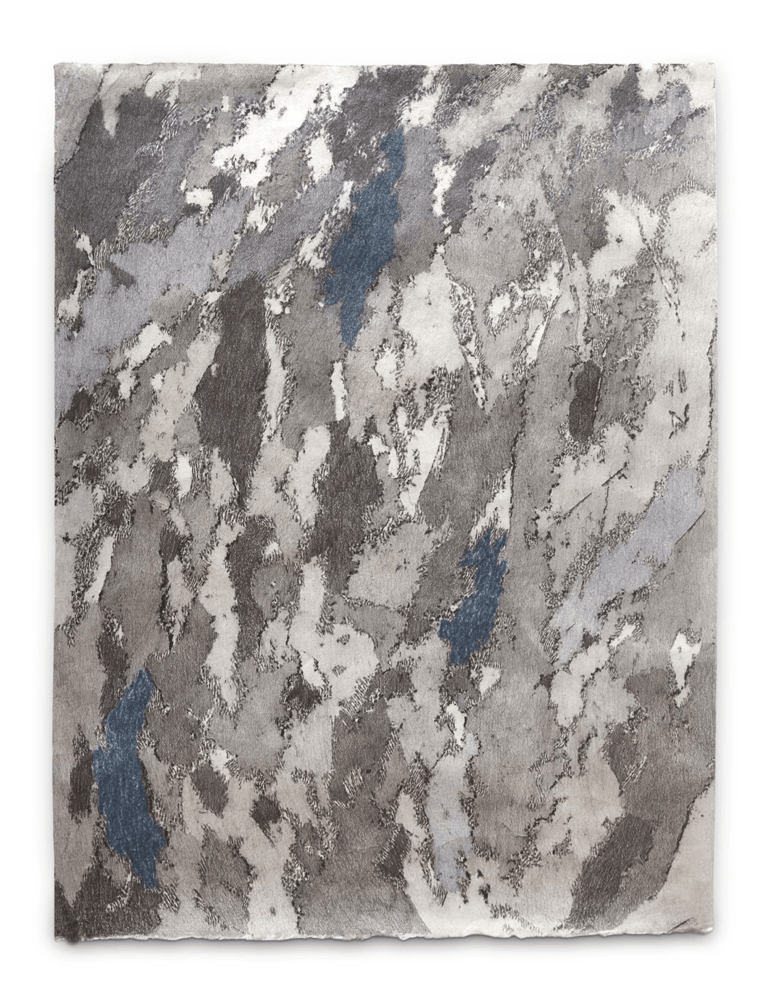
Mental landscape XXXIII
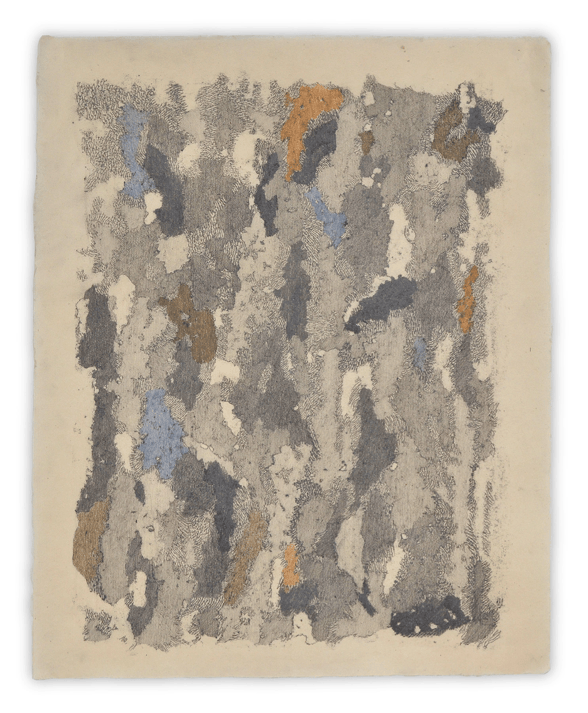
Mental landscape XXXVI
Lucrecia Lionti(木木)是一位阿根廷视觉艺术家,1985年出生于图库曼省,现居布宜诺斯艾利斯。她曾就读于图库曼国立大学,并在迪特拉大学等机构深造。其创作涵盖纺织、绘画、拼贴和装置艺术,常将刺绣、编织元素与工业材料相结合。她作品的一个显著特征是对语言的运用——短语、碎片化文本及多语言引用——通过融入作品来探讨记忆、地点以及塑造日常生活的社会与经济语境。
木木被认为是当代阿根廷艺术界的重要声音,尤其擅长将传统工艺技术与概念性、批判性方法相融合。她的作品曾在布宜诺斯艾利斯拉丁美洲艺术博物馆等重要机构展出,并被索菲亚王后艺术博物馆等国际收藏机构收藏。通过材料的敏感性与富有诗意的语言互动,她为重新定义阿根廷当代艺术做出了贡献,既将纺织艺术实践置于更广阔的全球话语中,又与本土身份和历史保持紧密联系。
Lucrecia Lionti is an Argentine visual artist born in Tucumán in 1985, currently based in Buenos Aires. She studied at the National University of Tucumán and further developed her practice through programs such as those at Torcuato Di Tella University. Her work spans textiles, painting, collage, and installation, often incorporating embroidery and woven elements alongside industrial materials. A distinctive feature of her practice is the use of language—phrases, fragmented texts, and multilingual references—which she integrates into her pieces to explore memory, place, and the social and economic contexts that shape everyday life.
Lionti is widely regarded as an important voice in the contemporary Argentine art scene, particularly for the way she bridges traditional craft techniques with conceptual and critical approaches. Her work has been exhibited in major institutions, including the Museo de Arte Latinoamericano de Buenos Aires and is held in international collections such as the Museo Reina Sofía. Through her material sensitivity and poetic engagement with language, she contributes to redefining contemporary art in Argentina, positioning textile-based practices within a broader global discourse while maintaining a strong connection to local identities and histories.
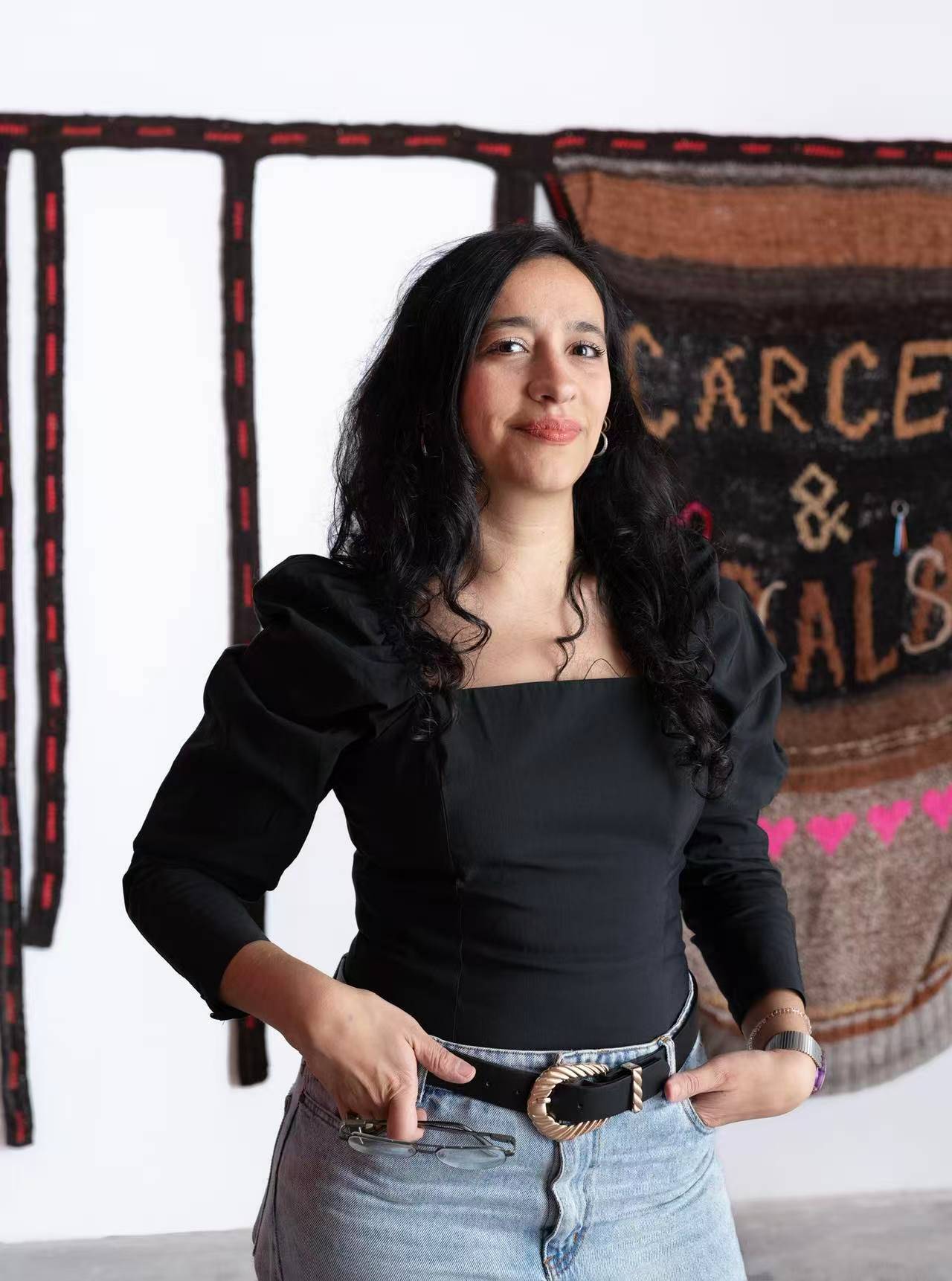
Lucrecia Lionti(木木)近照
Recent photo of Lionti
木木以纺织为独特的艺术语言,将传统刺绣、编织工艺与工业材料巧妙融合,在经纬之间编织出关于记忆、身份与全球化的深刻叙事。她的作品常常融入碎片化的文本与多语言引用,探讨手工劳动与工业生产、本土传统与全球流动之间的张力。本次展览中,木木带来了《International box》《1/4 de campo Argentino en China》《Made in Songzhuang》等2026年最新创作。这些作品以羊毛、黄麻、金属铃铛、商品标签等日常材料为载体,将阿根廷的乡土记忆与中国宋庄的艺术生态巧妙联结,既保留了浓郁的南美文化特色,又融入了对在地语境的敏锐思考。作为当代阿根廷纺织艺术的领军人物,她以诗意的方式重新定义了纺织艺术的当代可能性。
Lionti employs textiles as her unique artistic language, ingeniously integrating traditional embroidery and weaving techniques with industrial materials. Between warp and weft, she weaves profound narratives about memory, identity, and globalization. Her works often incorporate fragmented texts and multilingual references, exploring the tensions between manual labor and industrial production, as well as between local traditions and global mobility. In this exhibition, Lionti presents her latest 2026 creations, including International Box, 1/4 de campo Argentino en China, and Made in Songzhuang. Using everyday materials such as wool, jute, metal bells, and commodity tags as carriers, these works subtly connect rural memories of Argentina with the artistic ecology of Songzhuang in China. They retain strong South American cultural characteristics while incorporating keen reflections on the local context. As a leading figure in contemporary Argentine textile art, she has redefined the contemporary possibilities of textile art in a poetic manner.

International box
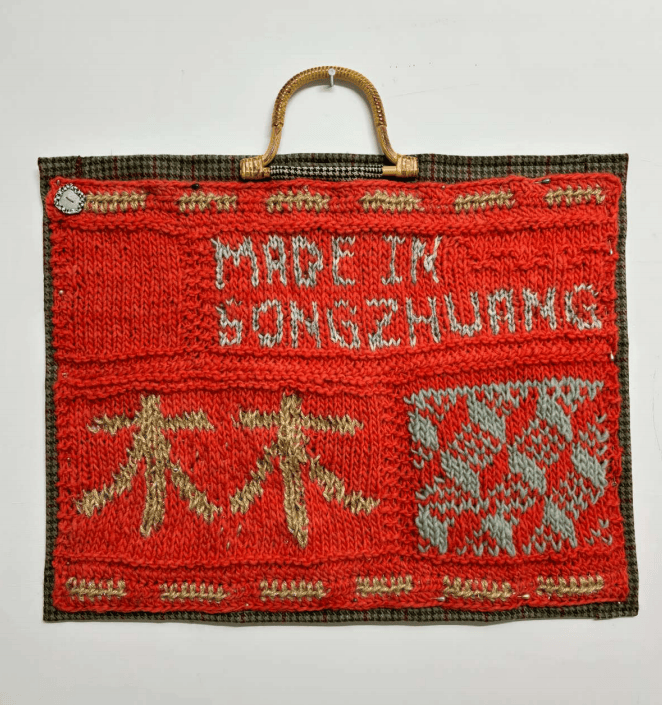
Made in Songzhuang
两位艺术家虽创作媒介与风格迥异,却有着共同的精神内核。她们都扎根于阿根廷的文化土壤,同时以开放的姿态置身于全球当代艺术的语境之中;她们都对材料有着近乎虔诚的尊重,相信物质本身具有独立的表达能力;她们都在传统与当代的交汇处,探索着属于自己的艺术道路。策展人王清州表示,艺术是跨越语言与疆域的通用语言,本次展览不仅是两位阿根廷艺术家作品的集中展示,更是中阿两国文化交流的重要桥梁。希望通过这个展览,让中国观众更深入地了解当代南美艺术的多元面貌,感受不同文明之间对话与碰撞的魅力。
本次展览将于5月29日下午3点举行开幕式,展期持续至6月3日。展览期间,观众可前往北京市朝阳区酒仙桥路2号798艺术区王清州艺术空间,免费参观这场来自南半球的艺术盛宴。
Despite their distinct media and artistic styles, the two artists share a common spiritual core. Both are rooted in the cultural soil of Argentina while engaging openly with the global contemporary art context; both hold an almost devout respect for materials, believing that matter itself possesses independent expressive power; and both explore their own artistic paths at the intersection of tradition and contemporaneity. Curator Wang Qingzhou stated that art is a universal language transcending words and borders. This exhibition is not only a concentrated presentation of works by two Argentine artists, but also an important bridge for cultural exchange between China and Argentina. It is hoped that through this exhibition, Chinese audiences will gain a deeper understanding of the diverse landscape of contemporary South American art and experience the charm of dialogue and collision between different civilizations.
The opening ceremony of the exhibition will be held at 3:00 pm on May 29, and the exhibition will run through June 3. During the exhibition period, visitors are welcome to enjoy this artistic feast from the Southern Hemisphere free of charge at Wang Qingzhou Art Space, 798 Art Zone, No. 2 Jiuxianqiao Road, Chaoyang District, Beijing.
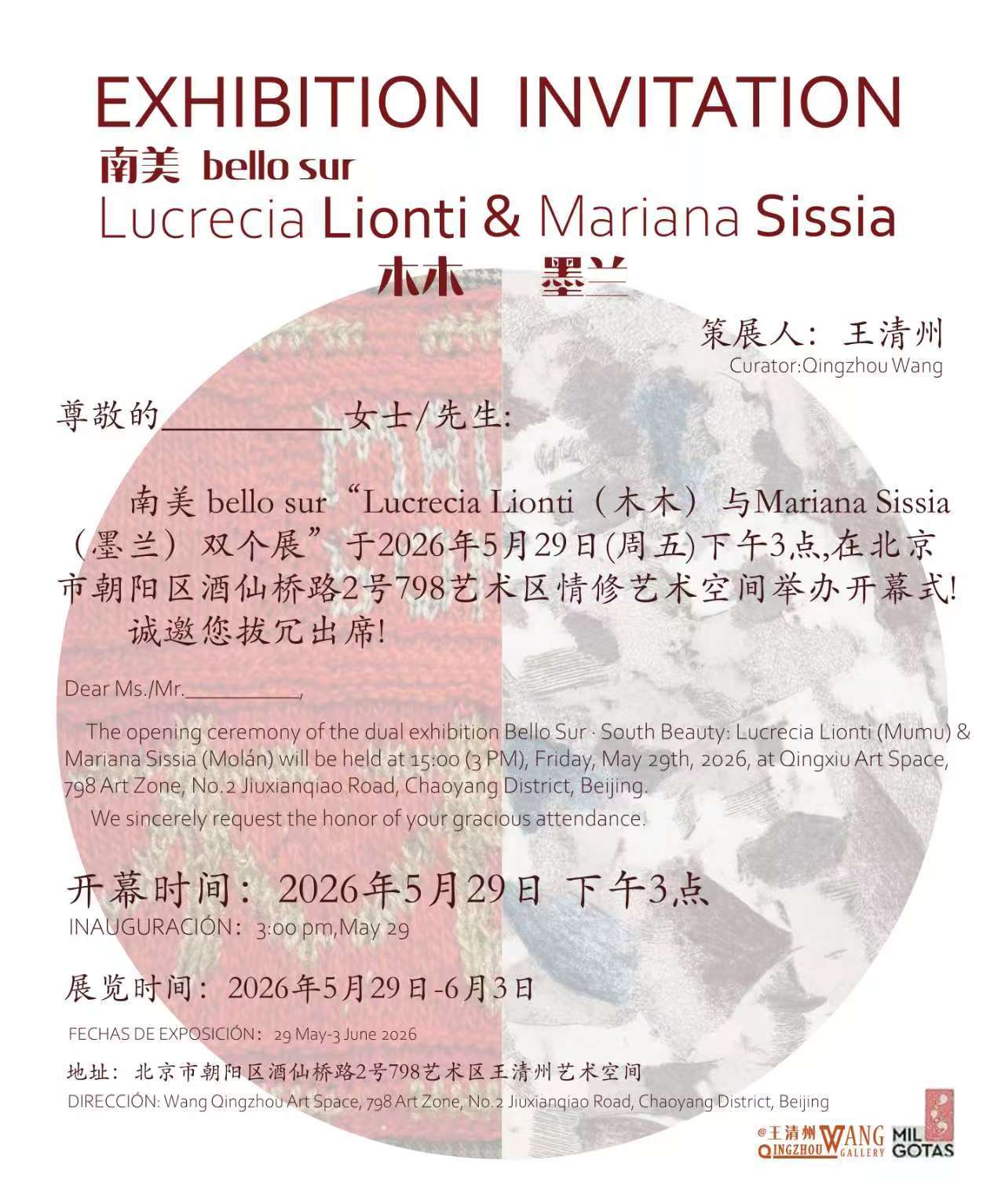
《南美bello sur》双个展邀请函
Exhibition invitation